
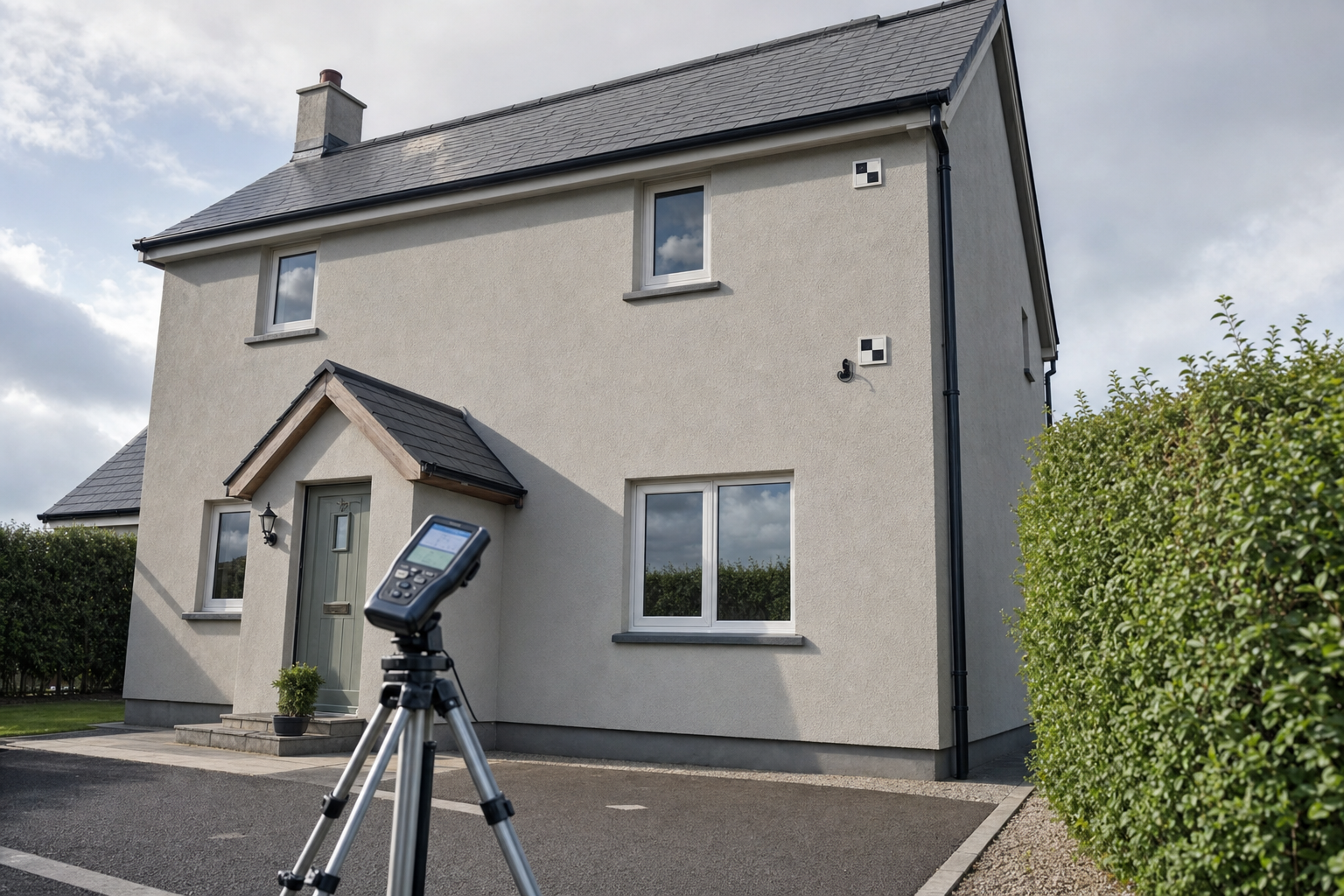
What a survey helps you settle early
Reception path checked first
We assess the direction, obstructions and likely performance before fitting.
Mounting strength reviewed
We look at whether the proposed fixing point is suitable for the system.
Indoor route planned too
We include cable entry and equipment position in the survey outcome.
Checking the site before the dish is fitted
When you are planning a non-Starlink satellite system, the survey stage is where the job becomes practical. We need to know whether the property has a suitable position, a clear reception path and a strong enough mounting point before installation is booked in. With Sat-Comms, we assess orientation, nearby obstructions, access and the likely route back to the indoor equipment, so the proposed setup is based on the site rather than a generic assumption. That gives you a firmer idea of what can be done and where the equipment should go.
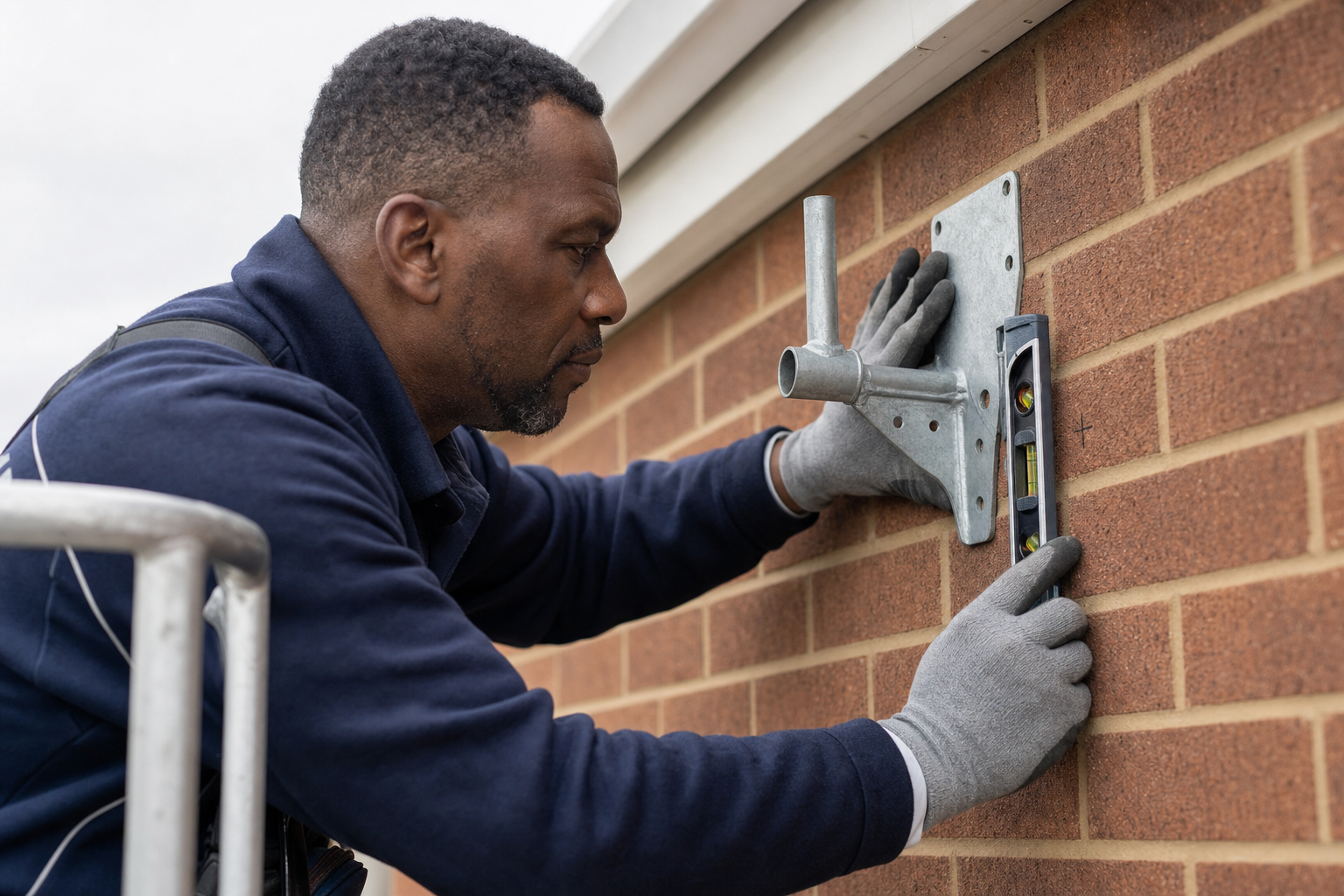
Using the findings to shape the install
The findings from a survey shape the whole installation. We check the external fixing options, plan the cable entry point and look at the best internal position for the connected equipment. With Sat-Comms, the result is a clearer scope for the later installation, including the mounting requirements, any access considerations and the practical route the system will take through the property. That is often the difference between a straightforward fit and a job that keeps changing as it goes.
Frequently asked questions
Why book a survey before a satellite install?
A survey helps confirm that the property has a workable reception path, a suitable fixing point and a practical route into the building before installation day arrives. That makes the later fitting clearer and reduces the chance of avoidable changes once work has started.
What do you look for outside the property?
We check orientation, nearby obstructions, the strength of the mounting position, safe access and the likely cable route. Those details tell us whether the proposed dish location is realistic and how the external part of the installation should be handled.
Can you plan the internal cable route as well?
Yes. The inside route matters just as much as the outside fixing point. We look at where the cable should enter the building and where the connected equipment should sit, so the full installation path is thought through before the fitting begins.